Saturday, August 31, 2019


TALKING ABOUT CHILD EDUCATION WITH COMMUNITIES

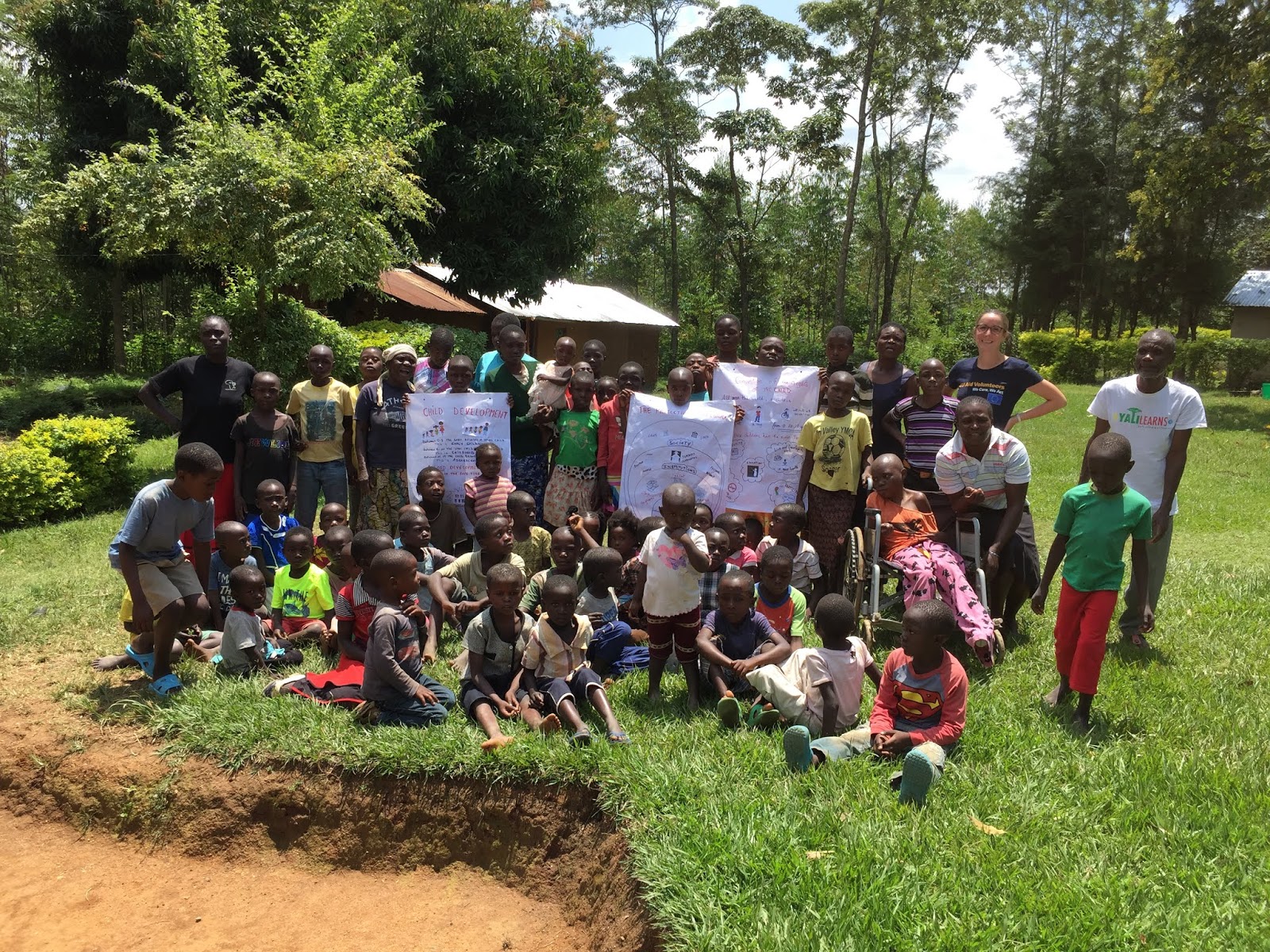
During this month of August in Shianda, the schools are closed for the holidays; I seize the opportunity to spend time with the communities to speak about child education and issues.

How to discuss the education of children and the problems encountered with these communities?
I decided to rely on 3 posters, as a basis for my explanations and exchanges.

The first is about the child protection network.  

Parents are not the only actors in the child’s development, they are surrounded by the extended family, but also by the community, institutions and society in general.
Parents are obviously responsible for their child and must be vigilant to ensure that the child's environment is safe and caring.
This poster allowed for a lot of discussion about the potential risks in the community and the institutions (bad associations, road risks, mistreatment at school ...). We thought about ways to protect children and avoid these potential risks.


The second poster is based on the Convention on the Rights of the Child with its main beneficiaries and main articles.
The fundamental rights of children are:
•The right to an identity. Now in Shianda, this is no longer a problem. According to communities, it is easy to obtain a birth certificate necessary for all future steps concerning the child.
•The right to live and good develop. This consists of giving the child the food, water and necessary care. This right makes members of groups wonder, they are often well aware of not having enough money to feed their child 3 times a day. I accompanied my explanations of support for the fact that they do their best for their child and that even if sometimes life does not allow to be perfect, the important thing is to provide what we can and of course to regularly monitor the health of his child, to react if necessary.
•The right to education. Bringing their child to school is very important for members of these communities. They are aware of the challenge of education for the future. We also exchange the fact that the school, although essential, is not the only source of education and for that we referred to the poster number 1.
•The right to be protected and loved. To define this right, we have of course mentioned the risks identified in the poster number one and the responsibility of parents or guardians to provide means of protection against these risks.
•The right to participate. This right brought a lot of discussion and questions from the participants. We performed role plays to demonstrate that communication and explanations can reassure children. It had to be explained that involving the child does not mean giving up everything to him or waiting for his consent, the parent remains the decision maker. But often, the child understands his environment better when an adult take time to explain to him and this can reduce frustrations or misunderstandings. Lack of time is an excuse not to talk with the child, but I try to explain to them that starting by forcing a few minutes a day will be very beneficial in intra-family relationships.


The third poster explains the development of the child and the different areas of simultaneous development: physically, intellectually, morally, socially and emotionally.
This third step in the exchanges allows a return on everything that has been previously discussed and to identify the various problems faced by parents or guardians.


The main concern that has been identified in each group is the relationship with adolescents. It was very interesting to discuss this period of childhood that is problematic everywhere in the world! We had to talk about our own memories of our teenage times and what we had to blame our parents for, or what we missed. I am surprised by the participation to these exchanges because the members talk sincerely and bring elements of understanding very useful to the group and also some solutions to test at home, as to find the time to exchange with his child as a first step to creating a relationship of trust. Games and mimes around emotions have been very useful to develop this topic.


If time allowed, we could also, in some groups, talk from case studies, related to the problems encountered here and so think together about the risks and the possible solutions to avoid or overcome them.

These times of exchange are always very studious but also very warm and punctuated by a shared meal, songs and prayers.


And then I must not forget that, who says "I will come to speak with you about education", means for the chairladies to invite the children to participate in the sessions. 


It was always nice to take the time to play with the children while waiting for the arrival of all participants and to see them interested by listening to the exchanges between adults. This, in my opinion, indirectly allowed a first new contact between children and adults, around the needs of some and the attentions of others.


Thank you again for your warm welcome, your constant attention and your sharing of experiences.
I will try to plan new sessions with these same groups before my departure to discuss possible attempts to change and problems encountered.

August

Augusti viimane päev, pool aega koha peal oldud.
Selle kuu tähtsamad sündmused olid:
  1. Mikrofinatseeringu taotluse tegemine 
  2. Kisumu Muuseumi ja Impala Pargi ekskusrsioon Mondo-Wefoko tugiprogrammi lastega
  3. Õmbluspoe remondi lõpetamine
Võiks mõelda, et kuidas on võimalik, et lihtsalt ühe taotluse tegemine võib olla tähtis ja nimetatud veel esimeses järjekorras.
Minu jaoks andis see struktuuri ja tähtajad ja tähtsuse järjekorra ja proportsioonid.
Täiskuu pilt, sest tunne on tõesti, et kuu oli täis ja tegevus- ning tulemusrohke.
Lapsed olid varahommikul koos Chair Ladydega õigel ajal Wefoko Office ees, igaüks sai oma toidupakikese ja sõit oleks võinud alata, kuid matatu juhti polnud, Abraham helistas ja nojah, mees pesi autot. Siis ta saabus mõningase viivitusega ning Abraham kamandas kõik matatusse ning ime küll, 16 last ja 3 täiskasvanut ja Abrahami väike tütar, me tõesti mahtusimegi ära. Ainult, et uks oli katki ja kinni ei saanud teda, siis tulid ümberringi uitavad kohalikud sõbramehed ja ühiselt saadi see uks kinni kuigi pragu jäi vahele nii, et ma sain vabalt ukse vahelt lehvitada või suunda näidata kui vaja oleks olnud.
Tagasi tulekuks oli mees ukse korda lasnud teha ja see oli väga hea, sest tagasitee oli läbi paduvihma.
Päev oli super. Ilm ilus ja lapsed tõsised ning tähelepanelikud. Väga vaiksed ja tõsised. Nagu väiksed sõdurid seisid kotid seljas rivis igal pool kus vaja ja ootasid kus vaja. See läks kuidagi hinge, sest nende koolides oli veel kaks aastat tagasi laste peksmine lubatud. Siis võeti keelav seadus vastu, aga ega seda kuigi palju ei järgita. Julie ongi siin lastekaitse teemal koolitamas.
Impala pargis
Muuseumis lõpupilt  grupiga, see oli üks vähestest piltidest kus enamvähem kõik naeratasid või naersid. Tegelikult on nad üsna lustakad. Aga see distsipliin on ikka väga sisse treenitud. Kui külas naistegrupis olin pärast Kisumut, siis nad olid hoopis teised nagu. Samuti poe dekoreerimisel. Siis tulid 2 poissi ja 2 tüdrukut parimad riided seljas värvima ja maalisid 2 südant seina peale ja kirjutasid juurde, et love is beautiful :-)
seepeale panin neile YouTubest Bob Marley saateks :-).
Kui ekskursiooni pilte lähemalt kodus uurisin, siis minu arust paar last vähemalt on alatoitlusega.
Alatoitlus siin ei tähenda seda, et laps ei saaks süüa, ta saab lihtsalt ühekülgset toitu mistõttu osad toitained mis eriti just kasvav organism vajab, jäävad saamata.
Poodi värvimas.
Neil ei ole sellisel viisil dekoreerimine tavaks. Kui sein valmis sai ja ka tegevuse käigus oli meil palju uudistajaid nii täiskasvanuid kui ka lapsi. Sõna levis välgukiirusel ja järgmisel päeval üks naine õmbles seal terve päeva, loodan, et pood läheb käima.
Eristu või sure ja kuidas need marketingi hüüdlaused nüüd olidki...
Tervitustega Shiandast,
Ester


Friday, August 2, 2019

JOHN AND ZAMIRA, MY NEIGHBORS IN SHIANDA


As part of the partnership between Estonian schools and schools around the world, Mondo shares children's life moments.
You can find these exchanges on the website "foodforthoughtmondo.wordpress.com"

I was asked to participate in these exchanges by making a video "A day in my life" with a child from Shianda, Kenya.

Sophia
Unaware of how to "find a child to film", I asked Sophia, who is a teacher in charge of the links between Mondo, some schools of Shianda and WEFOCO, the organization that welcomes me .

Sophia is a teacher at Mukambi Primary School, ECD class. I must say that this school is just a few meters from where I live, it seemed easier for me to choose children from this school to be able to follow all day without many transport to add !!! 


Which children to choose? A boy ? A girl ? I could not choose.

It is true that the concept of gender is very present here in Shianda with activities reserved for girls and others for boys. Sophia understood it ! 
So she found me the ideal plan: Spend the day with John and Zamira, two cousins who live together with their grandmother, right next to my home!   IT WILL BE PERFECT !

After a first meeting of the family with Sophia, the appointment is made, I will be at their home Friday morning at 6:15 to start the day with them!


John is an 11-year-old boy in class 5, Zamira is an 8-year-old girl in class 2 and their grandmother Genoveva is 53 years old. They all live in a small earthen house, consisting of 3 rooms and a separate kitchen. The fathers of the children are the sons of Genoveva. Without putting too much time to ask questions, I understood that Genoveva took care of his grandchildren because his sons have new relationships in which previous children are not admitted. She says she is very happy to be able to take care of them because they keep her company and are very kind children. She is very proud of them and talks about them with a lot of love.


MY DAY WITH JOHN AND ZAMIRA

I find them at 6:15 at home, they are awake recently and already getting dressed for school. The preparation is very fast, they wash in basins in front of the house and organize breakfast. This morning they have bread with butter and Kenyan tea, very sweet milk tea. Genoveva will tell me that she often gives them some money to buy a mandazi (donut) on the way to school because they do not always have enough for breakfast.

And then HOP, go! The marathon day begins !!!!

7am at school, John starts a lesson on economics in Kenya, Zamira patiently waiting in class for other students.

7:30 am :  the ceremony at the church just next to the school. Nearly 900 students religiously follow the sermon of the preacher and sing with joy.

8h : the ceremony around the flag of Kenya with the singing of the national anthem.
Then advices in hygiene and seriousness in learning are reminded to all students in the yard.


Until 12:40, the lessons are linked in the classes and then it is the break for lunch.


All children go home for lunch. John and Zamira will finish, with appetite, the bread and butter of the morning as well as leftover potatoes from the day before.
Genoveva is absent, she is at work. She is a volunteer in a clinic for people with AIDS and people coming for testing.


13:30, the children are back to school. Today is Friday so the day of the cleaning of classes by students. All bring a small can of water to participate in the cleaning.
Zamira, in class 2, did not class in the afternoon but spent a lot of time in joy and laughter with her classmates to clean up the class.

John has some lessons and the cleaning is done later in the afternoon.


As John has class, I spend the afternoon with Zamira, which carries out many activities for the house: to fetch water at the source, clean the rooms of the house, do the dishes of the day before and the day, bring the maize to the person who will make flour for the evening meal ... It is only in the late afternoon that Zamira will take time with a friend to play hopscotch and to play the teacher.


On his return from school around 17h, John also starts to work on the garden ... he clears a bit of ground in front of the house and moves many wheelbarrows.


Genoveva returns from work around 18:30, at nightfall and begins to prepare the meal with Zamira around 19h. They settle on small stones in the kitchen, around the fire, and prepare the local dinner, ugali (made with corn flour and water), accompanied by sukuma (cooked kale).


The time of the diner’s preparation is favorable to the exchanges with Genoveva who admits having a lot of luck to have these two grandchildren with her. She explains that her situation is not easy because she earns very little money, but she is part of two women groups who support her as a grandmother taking care of her grandchildren. This exchange is without pity or complaint, but with great sincerity and respect.


At 8 pm I leave them before bedtime, the day has been busy!

I can only be admirative of all that children do here in a day ... when I think that at home, in France, children have a hard time keeping up with their class day and are not very active back to school at home !!!

Thank you John, Thank you Zamira, Thank you Genoveva for this wonderful day of discovery and sharing. I would like so much to thank you for all that you have made me realize today. Perhaps we will have the chance to share an excursion to Kisumu's Impala Park soon.

PS: my many videos have been transmitted to Mondo teams and I hope to quickly receive the small film to share it with them.

Wednesday, July 31, 2019

Teine kuu Shiandas, Keenias

Seoses vajadusega korra kuus viisat uuendada, mis tähendab sõitu Kisumusse ja sealt lendu Nairobisse näeme Juliega ilmselt riiki, kus oleme rohkem kui vabatahtlikud teistes maalimanurkades.
Sel kuul võtsime välja oma kaks puhkusepäeva ning olime Shiandast eemal kokku kuus päeva.
Käisime Naivasha järve ääres Hellsgate looduspargis -  https://en.wikipedia.org/wiki/Hell%27s_Gate_National_Park
ja Longonoti kustunud kuid kohati veel suitseval vulkaanil - https://en.wikipedia.org/wiki/Mount_Longonot matkamas.
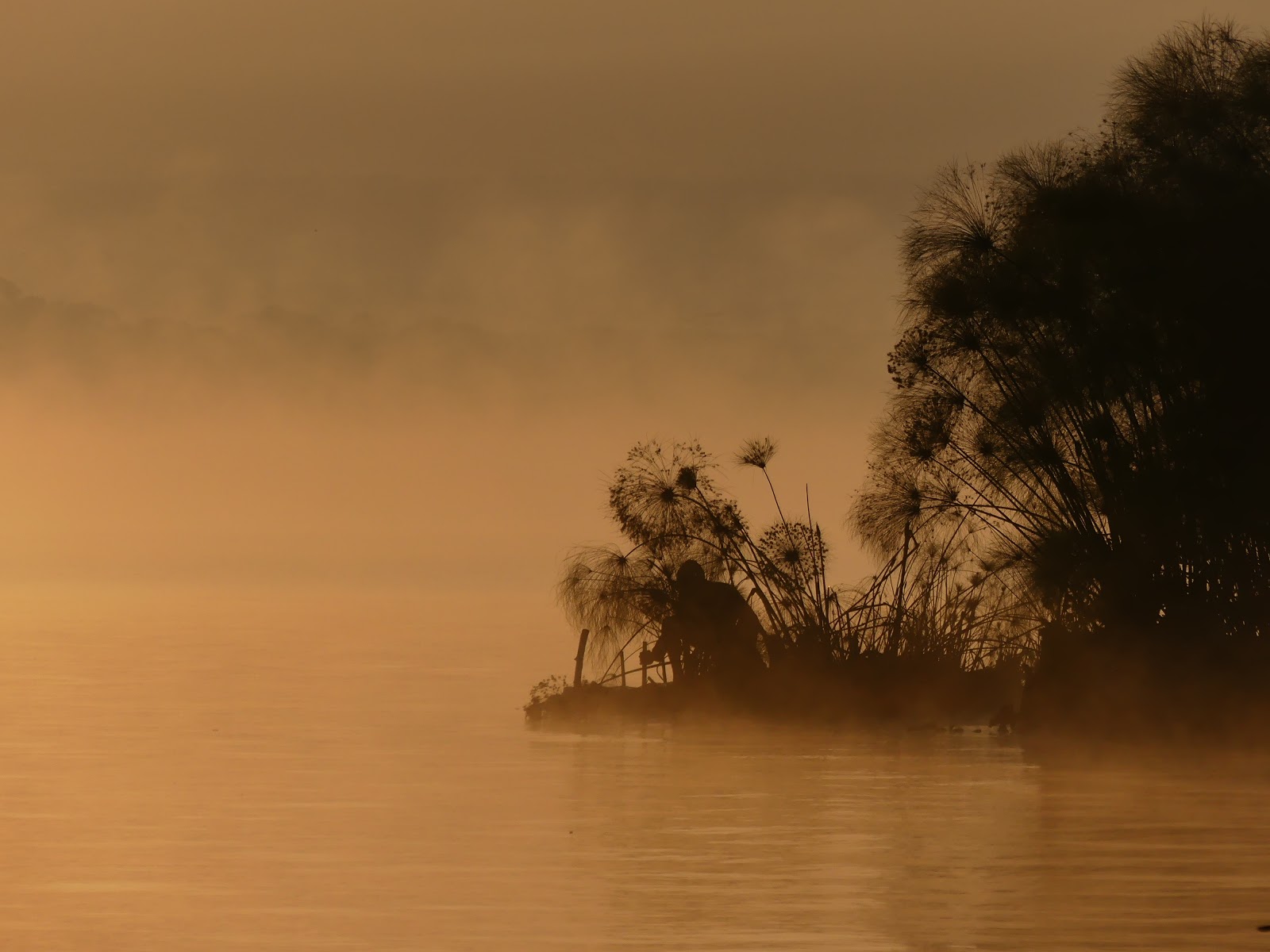
Pildil päikesetõus ja kalastaja Naivasha järvel.
Pildil teekond Hellsgate i ehk põrgu väravasse.
Koos meiega oli ka Elina, kes on noor Soome medõde ja praegu Soome Punase Risti kaudu EU vabatahtlik Nairobis. Elinaga kohtusin esimest korda Belgias Jabbekes EU treeningul. Päris alguses lasti igaühel joonistada pildike enese tutvustamiseks. Sattusime Elinaga kokku ning oh üllatust, meie pildid olid peaaegu identsed- metsik maastik järvekesega, loomi, linde, lõke, telk... :-)
Järjest süvenev tunne siin on tänulikkus. Tänu sellele, et Hanna, Marta ja Silvia olid siin kui me tulime, siis saime kogu olulise info ja toetuse osaliseks. Tore oli tõdeda, et meie esialgne segadus ja teadmatus, vaatamata läbitud treeningutele Belgias ja Eestis on midagi universaalset ja mitte ainult meile omane seisund :-)
Praeguseks olen teinud neli supervisioonikohtumist naiste gruppidega.
Otsustasin, et vaatamata soovitustele alustada helistamistega vähemalt kolm päeva enne kohtumist, et oleks kindel, et osalejad on kohal ja kohtumine toimub, ma ei tee seda.
Mõtlesin: usalda kulgu, toetu tegevustes sellele, mis on juba olemas ja aita  süvendada seda, kus on osalejate energia. Praegu näib nagu oleksin leidnud oma moto :-)
Siiani on asjad laabunud. Kuigi ühel juhul ootasime kaks tundi, enne kui kõik kohale jõudsid. Siiski, sama lugu oli ka siis kui ma Marta treeninguid jälgisin ja siis oli küll kolm päeva ette helistatud.
Nii, et tegelikult paistab, et vahet pole ja tegelikult on alati ka paar kolm osalejat täpselt õigel ajal kohal olnud...
Printisin välja suure tabeli, mis Linda oli teinud ja kus on kirjas kõik tehtud treeningud, gruppide tegevusalad, väljakutsed, eesmärgid, toetatud laste arvud jne.
Kokku 12 A4.
Mul on tugev vajadus enne millegiga alustamist näha suurt pilti.
Läbitud koolituste arv on muljetavaldav ja oma rollina näen siin regulaarset kohtumist gruppidega, kus osalejad saavad väljendada oma mõtteid ja arvamusi ning pakkuda üksteisele toetust ja tunda rõõmu ning vajadusel genereerida ideid esiletulnud probleemide lahendamiseks, lühidat üteldes on need supervisiooni/coachingu kohtumised, mis peaksid aset leidma kord kuus ja aitaksid mitte unustada õpitut ning toetaksid õpitu rakendamist igapäevaellu ja grupi tegevustesse.
Kohtumise pikkus ei tohiks ületada 1,5 tundi.
Kui Eestis ja mujal Läänemaailmas on viimasel ajal populaarne rõhutada kulgemist, mindfulnessi, kohalolekut, on isegi olemas aja aeglustamise grupp fb-s, siis siin nii ongi: asjade tegemiseks võetakse aega ja ajas ollakse mõnuga, vähemalt praegu mulle nii tundub.
Enne kohtumise algust loetakse palve, enne sööma hakkamist samuti ja kohtumise lõpus ka ja söömise lõpus ka.
Minu kolmanda ja neljanda supervisioonikohtumise lõpus hakkasid osalejad äkki spontaanselt tantsima ja laulma.
Tundub, et pean selle video mõni teine kord siia panema, internet läks praegu kuidagi eriti aeglaseks, tegelikult on see kindlasti üks asju, mida riik saaks teha- kogu maa elektrifitseerimine näiteks nagu kunagi oli ühes riigis 1917 aastal :-)
Aafrikat on nimetatud magavaks hiiglaseks. Keenia on üks viiest Aafrika riigist, kus hiiglane on minu arvates ärganud. Areng on kiire ja kiirenemas.
Tervitustega,
Ester


Monday, July 1, 2019

Habari, mimini Julie !


This is the first month in Shianda is already over! We had been warned that time flies at a crazy speed!
Students from Khabakaya Primary School


I am Julie Escoffier, I am French and I am Aid Volunteer of EU in Shianda, Kenya for 6 months.
My field of work is childhood, education and child protection as a whole.


WEFOCO and MONDO are partners of 8 schools in Shianda-Mumias area and the teachers will be my privileged interlocutors.


Class 2, mathematics, Mug'ang'a Primary School

The Kenyan school system is structured as follows:
- ECD classes for the little ones from 3 to 6 years old, with two levels of class (not obligatory)
-Primary school with 8 levels of classes, named Class 1 to Class 8
-Secondary school with 4 levels of classes, named from class 1 to class 4

Like us, children start primary school at 6 years old. The school year starts in January and is punctuated by three holiday periods: April, August and December.


To move from one class to another, students take exams at the end of the year, which are multiple choice questionnaires for the 6 subjects studied in class: Mathematics, Science (Physics, Chemistry and Biology), English and Swahili (official languages), Social Studies (History, Geography) and CRE (Christian Religious Education).


Example of the first two pages of questionnaire for class 6


At the end of the primary and secondary cycle, there are national examinations whose results define the possible continuation of schooling.

Although primary school is compulsory, it is not free, even for public schools. Families must buy school uniforms for children, all supplies and exams are also paid. The money problem prevents many children from going to school normally: some start later, or have to stop in school. The fact that the school generates a lot of expenses for the family also puts a lot of pressure on the children, it is not question of not succeeding otherwise it is the stop of the schooling.

MONDO, in these many actions, has created a "Brilliant Fund to support students and promote education" in Africa, and helps support the schooling of more than 150 children in the Shianda area, children from the most vulnerable families.
If you are interested, visit the Mondo website: https://mondo.org.ee/en/donate/brilliant-fund/


Accompanied by Sophia and Gladys, both coordinators between WEFOCO, MONDO and the partner schools, I was introduced to the principal teachers of these schools, then to the teachers themselves to discuss my background, my presence here for 6 months and on their expectations for a partnership / exchange of knowledge and practices. I could also participate in some observation time in classes.
My teacher training program obviously depends on my personal background and I wish to discuss with them the rights of the child, the right to education in particular and the teaching methods that facilitate the child's participation. to his own development.

The first hours of training for teachers will begin in early July.
I can not wait for it to start but I must say that I am a little stressed too ... So, I cross my fingers!

Wednesday, June 26, 2019

Esimene kuu Keenias, Shiandas

Olen Ester Väljaots, 02.05.1963.a.
Minu missioon Shiandas: EU vabatahtlik ettevõtluskonsultant maapiirkonna naiste kooperatiivide (~ 20) ja blokkide (4) jätkusuutlikkuse tagamiseks.
Missiooni kestus: 25.05.19-20.11.19
Jõudsime Shiandasse koos teise vabatahtliku Julie Escoffieriga 26.05 õhtul kui oli juba pime. Päeva pikkus on siin, ekvaatoril umbes 12 tundi. Päike tõuseb 6.39 ja loojub 18.48.
Praegu on vihmaperiood, see tähendab, et hommikud on selged ja õhtuti sajab.
Temperatuur päeval 24-26 kraadi, öösel 16 kraadi.
Pool tundi enne päikeseloojangut hakkavad malaariasääsed lendama ja seetõttu on vajalik võtta iga päev ennetuseks malaariarohtu. Ravimil on palju võimalikke kõrvalmõjusid, meie Juliaga tunnetame tavalisest suuremat väsimust, kuid see võib tuleneda ka kõrgest õhuniiskusest (85-90 % keskmislt) kombinatsioonis 26 kraadise õhutemperatuuri ning igapäevase äikeseelse ilmastikuga.
Malaaria on siin küllalti laialt levinud ja kohalikud on sageli haiged. Kohalik ravi on siin kiire ning tõhus ja meedikud kompetentsed tavapäraste haiguste ravimisel.
See pudelike oli üks esimesi ostusid. 150 ml vahend vee puhastamiseks. Üks korgitäis lisatakse 20 liitri vee kohta, segatakse ja lastakse seista 20 minutit ning vesi on joogiks kõlbulik.
Vee puhastamine on oluline.
Niipalju sissejuhatuseks :-)
Esimene nädal möödus WEFOKO treeningu tähe all. WEFOKO on MONDO partnerorganisatsioon Keenias, Shiandas:  https://wefoco.org/
Treeningud sisaldasid muu hulgas ka meie tutvustamist kohalikele võtmeisikutele ja organisatsioonidele (kool, politsei, haigla, orbudekodu ja osad naiste kooperatiivid)
Pildil WEFOKO direktor Esther meie sissejuhatava treeningu viimasel päeval kui tegime nädalast tööplaani. Esther on WEFOKO rajaja.
Pildil on Abraham, meie mentor, kellega meil on ette nähtud kord nädalas üks tund aega arutada töö ja kohanemisega seotud teemasid.
Pildil Abraham, Julie, Esther ja mina Ester :-) sissejuhataval treeningnädalal.
Pildil Chenda Kala kooperatiivis koos Hannaga, varasema vabatahtlikuga, kes juhendas seal toiduvalmistamist uue retsepti järgi. Kohalik toit on ugali, mis koosneb maisijahust ja veest ning seetõttu jäävad vajalikud toitained sageli saamata. Alatoitlusest on ohustatud vaesemate inimeste lapsed ning orvud.
Peale meie esimese treeningnädala lõppu järgneki meie vaatlusperiood varasemate vabatahlike juures. vaatlusperiood on oluline, et saada kurssi tehtud töödega ja võtta üle pooleliolevad teemad ning kohustused. See on üks osa jätkusuutlikkuse tagamisest.
Seetõttu kattuvad ka vabatahtlike missiooniajad osaliselt. Korraga on praegu Shiandas 5 MONDO vabatahtlikku.
Pildil Marta kommunikatsioonitreening Wichelu, Esukura, Emusirasire, Bumin cooperatiividele. Marta tegi ühtlasi ka hindamise ja kokkuvõtte, tema hakkab varsti koju sõitma.
 Siin on üks tüüpiline selle piirkonna jõgesid. Vool on väga kiire ja vee värvus tuleneb pinnase punakaskollasest toonist. Jões on ka väikesed kalad, umbes väikese sõrme suurused, keda püütakse ja kuivatatakse, nad on turul müügil. Praegu kalu ei püüta, on keeluaeg.
Meie esimese kuu sisse mahtus ka Nairobi külastamine, sest pidime pikendama viisasid ja Estheri Eesti külastus seoses uue eu projektiga. 
Minu Suahiili keele õppimine edeneb visalt, sest siin on ka Luja keel käibel ja muidugi kõnelevad müüjad enamasti Inglise keelt küllalt hästi. Nairobis rääkisid kõik kellega suhelda tuli korralikku Inglise keelt.
Ostsin Kakamegast (üks lähimaid asulaid) Inglise-Suahiili sõnaraamatu ja Nairobist päris lootusrikast olekut tekitava "Simplified Swahili", Peter M. Wilson
Eile tegin juulikuu tööplaani valmis ja ootan juba võimalust oma supervisiooni ning coachingu meetodeid kasutama hakata. 
Lootusrikkalt,
Ester


Tuesday, June 25, 2019

145 days on the field.

It's these moments when the neighbour tells you that she doesn’t like it when it rains at night because then you can’t hear when someone is crying for help. These moments remind you again, that you are living in a rural area of Kenya, where the key word is insecurity. I’ve been safe and I feel safe, sadly, this is not the situation for locals.
Violence - domestic violence, gender based violence are problematic topics here. There is still tabu and stigma around it,  still myths and traditions around it, which makes it a difficult topic to tackle. During the trainings on women empowerment we discuss these topics and the ways to protect oneself. I always encourage reporting to police. Unfortunately, to some women, this is not an option because of the fear of not being helped but instead chased away from home.

I have noticed, how in one county, just a few kilometres apart the opinions, behaviours, beliefs and customs can differ. For example, mothers and fathers teaching their children about adolescence or talking about sexuality and ways to protect themselves can be obvious in one area and unheard of in another. Religion appoints a lot in family values. In schools, absence of sex is promoted. Hence, the problem of early pregnancy. I have heard different opinions regarding to this. Some families of course support their child and the continuation of studies. In these cases, child is normally transferred to another school after giving birth, to make the integration back to school more supportive. Other times, when the father of the child is not supporting the mother, which normally is the case, and the family is too poor to take care of the school fees and the newborn, drop outs happen. Even when the daughters family tries to convince the boys family to help them, they are usually left empty handed and boy claims that there is no proof. 

I get asked for help a lot - asking for money; assistance; building a house; fixing something; a friend, marriage, a ticket to Europe or a sponsor from Europe who could support. I understand, how being in need and how living in such uncertainty makes us desperate. Still, I explain, that this is not how it works and that everyone has to work for their own well-being and try to come out of the situation. At this moment, we are both sad because both of us know that “getting out of this situation” is difficult in this context and sometimes seems impossible. This is why being here and trying to make a difference in mind-sets and empowering communities is so important.


Living in such insecurities - trust; work; help; health; authority; even relationship related can make you hopeless but somehow, everyone carries on. We finish the difficult topics and the next moment we joke about something and laugh and enjoy what the host has cooked. Needless to say - the guests can’t leave with an empty stomach!


Monday, June 24, 2019

Stories behind the smiling faces

My 5 months in Kenya have been full of lessons for lifetime, heartwarming moments and exciting experiences. I get to do what I love the most - work with people, especially with kids. 

One of my projects that actually awakes the most conflicting emotions is the opportunity to carry out health assessments and provide treatment opportunities to children supported by Mondo’s Brilliant Fund. There are moments when I hear the stories of the kids and they bring a big smile on my face and warmth to my heart, but there are also moments the stories create a lot  of frustration.

Mondo started supporting the primary school children in Kenya since 2010. and today there are more than 150 kids in primary school who get to access education thanks to that help. 
The program doesn’t only emphasize education for all boys and girls, but it also supports child health and nutrition and the protection of children from violence and exploitation. 

Interacting with these children has challenged me in so many ways. Of course there are practical hurdles I’ve had to cross - such as connecting with them without a proper understanding of their language and using the help of a translator, but then there are those challenges that cut deeper, yet build higher. These are the challenges of understanding their stories, sympathizing and finding the right words to say. How do you console a child whose father is imprisoned for life, who’s mother died and who lives with an HIV-positive grandmother whose health is getting worse and worse everyday. How do you console a 12-year-old who’s biggest dream is to become a lawyer, but has never had money to walk through the school doors? What are the words that you can possibly say to make them feel better, yet won’t give them too high hopes, hopes that you can’t help them reach? These are the challenges that once overcome, will leave a mark to be carried with for a lifetime. 

Working with those students and seeing how fast they’ve had to grow up, difficulties they’ve had to face, the work they have to do and how heavy the rucksack of responsibility they have to carry on their backs are, makes me understand the importance of giving children the opportunity of being children. It reminds me the meaning of the word childhood. They have taught me so much about being brave and building a castle up from nothing. And in the end of each day, no matter how emotional, buzy or chaotic, my heart is filled with gratitude. Gratitude for the opportunity to be here, gratitude for being able to actually do such a rewarding work and interact with those beautiful souls.

Wednesday, May 15, 2019

104 days - I'm not gonna even mention how time flies.

It has been extremely interesting to cook together with the community groups. I must say that either due to communication or language barrier, it hasn’t always gone exactly like I planned. Nevertheless it's still been a good gathering and sharing ideas about food and cooking.


I organise the cooking workshops in a way that everyone contributes with the available food that they have in their garden or land, to which I also contribute something in addition. Most common is oil or meat, since these are the most expensive ingredients. When we have gathered the food, I suggest a new recipe and confirm that it is something they haven’t tried before. Much like everywhere else, the traditional foods and recipes stand strong in every day menu and suggesting new ideas can be very surprising for members. However, the feedback has been polite to the new ways of cooking and mixing foods. We have had mashes, stews, mixed vegetables, salads. Few of the groups even want to try something else in the future and promise to learn the new ways of cooking, all in purpose of balanced diet. Let’s see :)

When talking about sharing information and your knowledge, outsiders are sometimes even more trusted. This goes back to history and current political and cultural situations. For example, one of my tasks is giving health talks in the local health centres. It is something that the nurses organise as well. However, I’m always welcomed and even expected to join them because I have more influence. I talk in English and someone translates to local dialect “The Luo” or "The Luhya". It can happen that I may say one sentence and then wait for it to be translated for a few minutes, because in other language it seems to be a lot longer sentence :)


Schoolboys and market day in Shianda
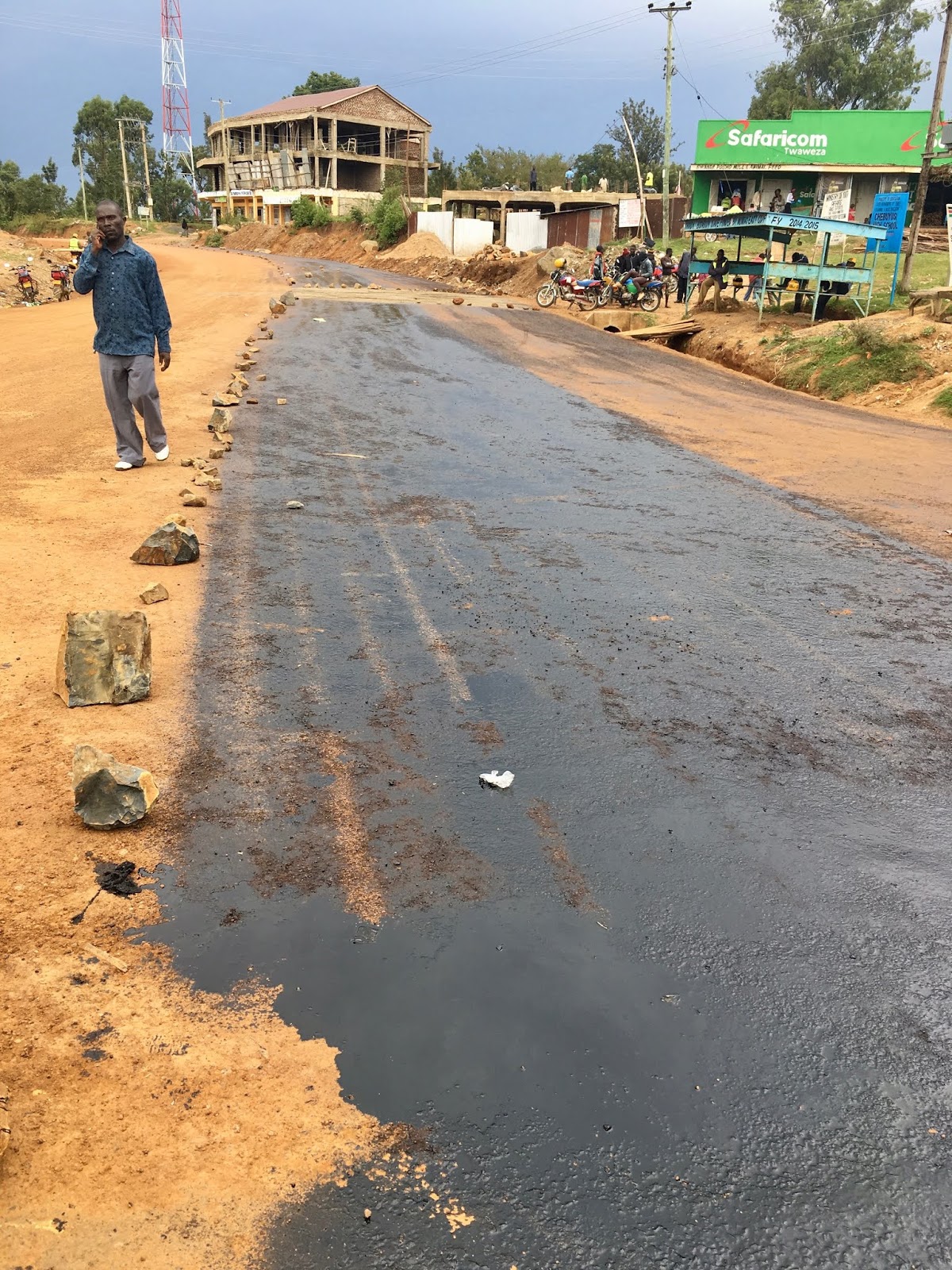
Building a new road in Shianda


It’s true that looking back to previous time now, some things have become more clear and easier to understand. A lot of the confusion with organising comes from the communication. Some days it may seem like “lost in translation” and other days you’re pleasantly surprised how organised a group is or how well someone remembers your agreement.
Communication can be a challenge and avoiding conflicts is very common here. Instead of explaining the situations people use excuses, which leads to cancellation of plans and no-one benefits from that. It is difficult because of a lack of education and a lack of resources, it is understandable. So, one of the challenges is to explain myself more clearly and to build trust being as transparent as possible. I don’t think anyone has ever said that capacity building is easy :) At the same time, there are people who are the most sincere and straight forward with their sayings, which I appreciate and which can also be very funny at times. From now on, one of my favourite words which apparently translates to many different meanings is "Sure".


Saw the snow in Shianda (hail)
After three months, community is used to you, even the local “matatu” (public transport) drivers know where you’re going. I tend to think it’s a good thing, at least here in Shianda. I have had no worries with security. Of course, there is still bribing (though, there are hints that it's changing slowly and government is taking action), stealing from one another (living in extreme poverty) and sadly violence. Considering all this, maybe the biggest danger for me is the road traffic, which is even worse during the nights or in the cities. However, this is the least of my worries now, my worry is that why does the time fly?


PS. I apologise for the blog design.